
This sprint made one thing clear: adoption depends on access. Even with strong features, students won’t consistently use Mathiné if it sits outside their normal workflow. Based on student feedback, we shifted toward a Brightspace course shell to meet students where they already are.
We met with Craig from the Learning and Teaching Innovation team to explore widget placement and Brightspace integration. What stood out most wasn’t just his solutions – it was how meticulous he was about user workflows, constraints, and the reality of approvals. We learned something important here: our stakeholders are also operating inside systems shaped by their stakeholders. His feedback was practical and precise, and it reminded us that stakeholders aren’t just “helpers”; they’re navigating their own dependencies too. Progress often comes from finding solutions that respect those realities.
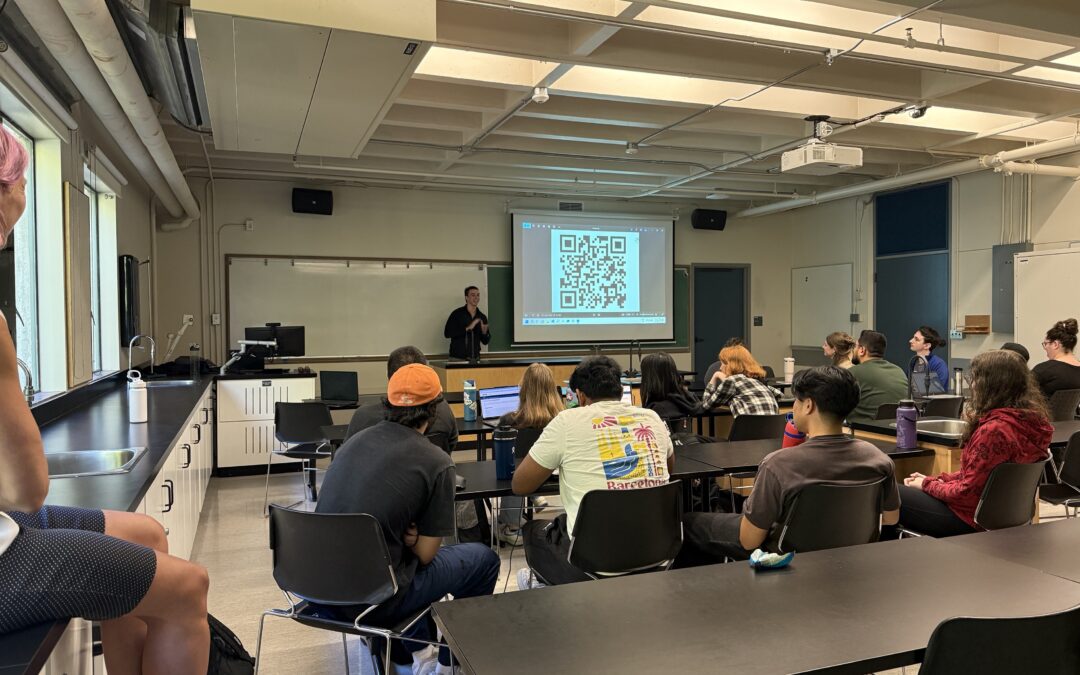
We went into class Mentimeter sessions hoping to answer one question: “why do we only have 6 regular users?” We learned how powerful Mentimeter is when students feel safe to be real (free text is undefeated). We also learned that engagement isn’t just “ask questions”—it’s how you hold the room. Yes, we absolutely leaned into the “6–7 users” meme… and it worked. It let us validate feedback without making the moment heavy.
Isaak’s public speaking arc hit its peak. Watching him go from shy and nervous early semester to confidently delivering a solo emotional skit for the final conference – drama, expression, timing, and all – was one of those moments that reminded us this project didn’t just build a tool. It built us.